Best Winter Oats Food Plot Ideas for Deer Attraction in Late Season
In this guide
Answering your search intent, this guide highlights winter oats food plot options that help attract and hold deer through late-season conditions. The selections below emphasize cool-season forage blends that combine oats with peas, brassicas, radishes, and other hardy components. This is ideal for hunters and land managers seeking easy-to-establish mixes, no-till options, or blends designed for strong cold tolerance. Each product is chosen for its relevance to winter oats-based plots and its potential to maximize deer activity during late-season hunts. The buyer-friendly table summarizes key choices and target use cases.
| Product | Best For | Why It Stands Out |
|---|---|---|
| Whitetail Institute Winter Peas Plus | Late-season forage with high protein | Very cold-tolerant peas, strong antler-building potential |
| Domain Outdoor Green Machine Seed | All-season green forage | Quick germination, broad mix including oats and peas |
| Hit List Seed No Till Food Plot Seed Mix | Easy no-till setup | No-till, quick establishment, diverse forage |
| Whitetail Institute Beets & Greens | High-traffic fall and winter forage | Beets, greens, sugar beets mix for late-season attraction |
| TNT Seed Fast Forage | Rapid cover and quick forage | Fastest-growing mix, works across soils |
Whitetail Institute Winter Peas Plus Deer Food Plot Seed

Best for: deer seeking late-season forage with high protein. This mix is over 80% winter peas, extremely cold tolerant, and high in sugar and protein, making it highly attractive to deer during late-season feeding windows. It is well suited for hunters who want a concentrated, cold-hardy source of forage.
Why chosen: Its specific focus on winter peas provides a strong, palatable option when other warm-season plots are dormant. The high protein content supports antler-building and overall deer nutrition in cold months.
Caution: Very cold-tolerant varieties can require consistent moisture; ensure adequate germination conditions in very dry winters.
Domain Outdoor Green Machine Food Plot Seed

Best for: a broad, all-season green forage that stays green and attractive. This 1/4 acre mix includes winter rye, winter peas, forage oats, and more, designed for quick germination and strong cold-weather tolerance.
Why chosen: The container-ready format and variety help sustain deer attraction even as temperatures drop, offering a reliable, multi-species forage bed.
Caution: Some components may spread quickly; manage with mowing or thinning to maintain optimal forage density.
Hit List Seed No Till Food Plot Seed Mix
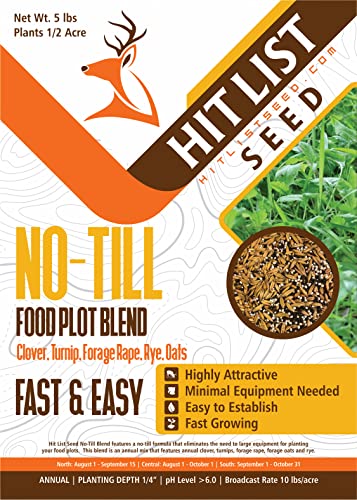
Best for: beginners and seasoned plotters alike who want a no-till option with broad appeal. The blend includes crimson clover, turnips, brassica, oats, and rye to provide continuous forage through fall and winter.
Why chosen: It germinates quickly and requires minimal equipment, making it accessible for first-time food plotters. The mix remains attractive through the entire hunting season.
Caution: No-till ease does not mean no management; monitor weed control and reseeding needs after heavy use or cold snaps.
Whitetail Institute Beets & Greens Deer Food Plot Seed

Best for: deer-heavy plots that need heavy late-season forage. This blend combines sugar beets with kale, turnip, and radish to provide multiple feeding sources as temperatures decline.
Why chosen: The combination of tubers and leafy forage provides both above-ground and underground nutrition, supporting deer during late fall and winter when other forages wane.
Caution: Sugar beet components can require attention to moisture for best germination in dry winters.
TNT Seed Company Fast Forage Deer Food Plot Seed Mix

Best for: plots needing rapid establishment and flexible planting windows. This mix includes winter peas, oats, winter rye, radish, kale, and brassica elements designed for fast forage.
Why chosen: It is specifically designed for quick establishment and to perform across soil types, making it a solid choice when time or soil quality is a constraint.
Caution: Fast growth can lead to dense thinning; plan for future maintenance to maintain deer-appeal throughout the season.
Buying Guide
What should I consider when choosing a winter oats-based food plot mix?
- Climate and hardiness: Choose blends with winter-tolerant components (such as winter peas, rye, oats) for late-season resilience.
- Germination and soil type: No-till and quick-germinating blends suit varied soils and reduce labor, but ensure compatibility with your soil pH and moisture.
- Forage diversity: Mixes with both tubers (beets, turnips) and leafy greens (kale, clover) provide multiple feeding sources that stay attractive longer.
- Maintenance needs: Some blends require mowing, thinning, or reseeding; plan your maintenance schedule to sustain forage quality.
- Water and moisture: Adequate moisture supports germination and persistence; in drier winters, consider irrigation or mulching strategies where feasible.
Practical buyer questions
- What is the best option for a first-time food plotper? The Hit List Seed No Till mix offers easy setup and broad forage for beginners.
- Which blend provides the strongest late-season attraction? Winter Beets & Greens and Winter Peas Plus focus on late-season forage with high palatability.
- Do I need specialized equipment to plant these mixes? No-till blends reduce equipment needs, while other mixes may require standard seeding tools.
- Can these blends be planted in fall or spring? Most are suitable for fall planting, with some offering spring viability depending on your climate.
- Are there moisture considerations for success? Yes; ensure adequate moisture during germination and monitor drought conditions to maximize germination rates.
- Do these blends attract all deer species equally? Generally they attract whitetails and mule deer, but availability of forage variety can affect deer preferences across species.
All product descriptions above reference the listed features and common agronomic considerations for winter oats-based food plots. The selections emphasize cold tolerance, rapid establishment, and multiple forage components to support deer nutrition through late-season conditions.