Best White Bread for Toast: Top Picks for Fluffy, Golden Toast Everyday
In this guide
Looking for the best white bread for toast? This guide highlights five widely available options that balance soft crumb, browning potential, and everyday convenience. Each pick suits different toast styles—classic breakfast toast, day-starter eggs, or quick PB&J—so you can choose the loaf that best matches your breakfast routine.
Who this is for:
– Busy households needing reliable, soft slices for quick breakfasts.
– Sandwich lovers who want sturdy slices that stand up to fillings.
– Bread enthusiasts seeking bakery-like softness with everyday convenience.
Below is a quick summary table of the chosen products to compare at a glance.
| Product | Brand | Size | Why It Stands Out |
|---|---|---|---|
| Nature’s Own Perfectly Crafted White Bread, Thick Sliced | Nature’s Own | 22 oz loaf | New recipe with fewer ingredients; Non-GMO Project Verified; great for sturdy toast. |
| Wonder Bread Classic White Sandwich Bread | WONDER | 20 oz loaf | Classic, ultra-soft slices; good for French toast and PB&Js. |
| Bimbo Soft White Bread | Bimbo | 20 oz bag | Balanced vitamins A, D & E; no HFCS; versatile for everyday use. |
| Artesano Original Bread, White | Artesano | 20 oz bag | Fluffy texture with buttery flavor; ideal for grilled cheese and toast. |
| 365 by Whole Foods Market Organic White Artisan Bread | 365 by Whole Foods Market | 16 oz | Organic, no hydrogenated fats or HFCS; clean ingredient profile. |
Nature’s Own Perfectly Crafted White Bread, Thick Sliced

Best for: households needing a reliable, slightly heartier slice for everyday toast and sandwiches. This loaf is Non-GMO Project Verified and crafted to have fewer artificial ingredients. The thick slices are ideal for thicker toppings or double-layered toast. Limitations: even though labeled non-GMO, it still contains standard bread preservatives common to mass-market loaves, so choose this if your priority is fewer ingredients rather than a fully organic profile.
Wonder Bread Classic White Sandwich Bread
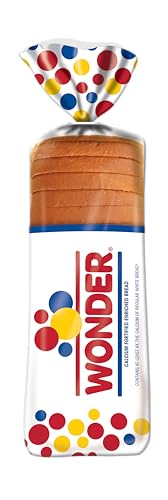
Best for: fans of ultra-soft, classic sandwich bread with consistent slicing. This loaf’s balance makes it great for traditional toast as well as French toast. Caution: Some users may prefer a slightly sturdier slice for hearty toppings, as this bread prioritizes tenderness over density.
Bimbo Soft White Bread

Best for: households seeking a balance of nutrition with everyday softness. It offers a good source of vitamins A, D, and E and avoids high fructose corn syrup. Limitation: the soft texture can be less ideal for very thick, crunchy toast or heavy toppings that require structural support.
Artesano Original Bread, White

Best for: those who want a fluffy, buttery-tasting slice that elevates toast and breakfast sandwiches. Artesano emphasizes a light, airy crumb ideal for soft or lightly toasted slices. Limitation: may be less available in some regions and can run a bit pricier than standard store-brand loaves.
365 by Whole Foods Market Organic White Artisan Bread

Best for: buyers prioritizing an organic option with a clean ingredient list and no hydrogenated fats or HFCS. This loaf is a solid choice for light to moderate toasting where you want to enjoy bread with minimal artificial additions. Limitation: organic loaves can be less forgiving in toasting due to crumb structure, so monitor browning closely.
Buying Guide
What matters most when choosing white bread for toast? Consider these factors:
- Crumb and texture: For crispy toast, look for a bread with a slightly open crumb that browns evenly. For ultra-soft toast, prefer breads marketed as tender or fresh-taked-like.
- Ingredient quality: Non-GMO, organic, and absence of HFCS or artificial colors/flavors appeal to cleaner-eating goals. Balance with price and availability.
- Slice size and loaf format: Thicker slices hold toppings better; consider loaf size and whether you prefer traditional 20–22 oz loaves or compact 16 oz loaves for smaller households.
- Nutritional considerations: Vitamins and minerals can vary; some breads add extra vitamins, while others emphasize minimal additives.
- Flavor profile: Some brands offer buttery notes or richer flavors; this can enhance specific toasts like cinnamon sugar or garlic toast.
- Availability and price: Wider distribution can influence your daily choice; compare at least two options to balance cost with quality.
How to Choose by Toast Style
- Classic breakfast toast: Choose a bread with sturdy slices and good toasting performance, such as Nature’s Own or Wonder Bread.
- French toast: A slightly denser texture with a mild, creamy crumb (Artesano or 365 Organic can work well).
- Peanut butter and jelly: A soft crumb that still holds up to spreadable toppings, like Bimbo or Sara Lee options (where available).
Storage and Freshness Tips
- Store unopened bread in a cool, dry place; once opened, refrigerate for longer freshness or freeze portions for extended storage.
- Slice bread as needed to minimize exposure; re-seal bags tightly or use airtight containers.
Frequently Asked Questions
- What white bread is best for toasting? The best is a loaf with a balance of softness and density that browns evenly, such as Nature’s Own or Wonder Bread.
- Is organic white bread worth it for toast? If you prioritize fewer artificial ingredients, organic options like 365 Organic can be worthwhile, though price and availability vary.
- Can gluten-free options be mistaken for white bread? These products are formulated differently and may not have the same texture or browning properties as standard white bread.
- How should I store white bread? Keep it in a cool, dry place; refrigerate after opening or freeze portions for longer life to prevent staling.
- Are fortified vitamins important in white bread? Some loaves add vitamins A, D, or E; choose based on your dietary goals and taste preference.
- Which bread slices are best for French toast? Look for soft crumb with slight density; Artesano and some Whole Foods Organic loaves are good choices for French toast.