Best Tasting Multigrain Bread: Top Picks for Flavorful, Healthy Sandwiches
In this guide
Looking for the best tasting multigrain bread to elevate your sandwiches, toast, or recipes? This guide highlights five top options that balance flavor, texture, and whole-grain benefits. Each pick targets different needs—no-GMO or organic preferences, higher protein, or lower carbs—so you can choose the loaf that fits your lifestyle and taste. Read on to compare what makes each bread stand out and which buyers they suit best. A quick summary table follows to help you decide at a glance.
| Product | Best For | Highlights |
|---|---|---|
| Nature’s Own Perfectly Crafted Multigrain | Everyday sandwich lovers | Non-GMO, fewer ingredients |
| Sara Lee Delightful Healthy Multigrain | Whole grain fans | Whole Grain Council certified, 8g per slice |
| 365 Organic Sprouted Multigrain & Seeds | Organic pantry | Sprouted grains, seeds |
| Arnold 22 Grains & Seeds | Calorie-conscious snacking | 80 calories per slice |
| Dave’s Killer Bread 21 Whole Grains & Seeds | Protein & fiber seekers | 6g protein, 4g fiber per slice |
Nature’s Own Perfectly Crafted Multigrain Bread
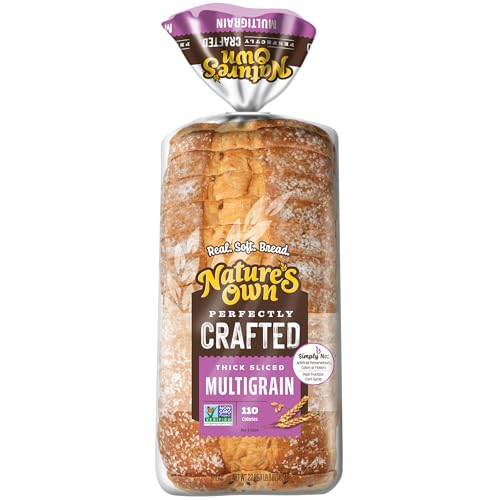
This multigrain loaf is designed for everyday sandwich lovers who want a straightforward, reliable flavor profile. The new recipe emphasizes fewer ingredients and Non-GMO Project Verified status, with no artificial colors, flavors, or preservatives. The texture aims to be soft yet hearty, making it versatile for toast or classic sandwiches. Best for: quick meals and pantry staples that prioritize clean ingredient lists.
Selected for its balance of taste and simplicity, this bread works well when you want a familiar multigrain flavor without extraneous additives. A note: some shoppers may prefer a heartier crunch from seeds, which this loaf delivers in a subtler way compared to heavier seed-forward options.
Sara Lee Delightful Healthy Multigrain

This loaf targets whole-grain enthusiasts and those who want measurable nutrition per slice. It is Whole Grain Council certified and contains eight grams of whole grain per slice, with low fat and zero grams trans fat per serving. The soft multigrain loaf is ideal for sandwiches and toast, featuring a blend of whole grains with rich wheat and nutty notes. Best for: health-conscious eaters who want concrete whole-grain benefits per serving.
Caution: while the bread emphasizes whole grains, taste and texture can vary by consumer preference for density and chew. It’s wise to test a few slices to see how it pairs with toppings you enjoy.
365 by Whole Foods Market Organic Sprouted Multigrain & Seed Bread

This organic sprouted multigrain option is best for shoppers seeking a pantry staple with an organic label and added seeds. The sprouted grains can contribute to a richer flavor and improved digestibility for some eaters. It’s a versatile loaf suitable for sandwiches, toast, or oddball grilled cheese ideas. Best for: organic-savvy buyers who want a seed-forward loaf and sprouted grain benefits.
Limitation: the loaf may have a softer crust or different chew compared with denser multigrain breads, depending on bake and storage conditions.
Arnold Whole Grains 22 Grains & Seeds
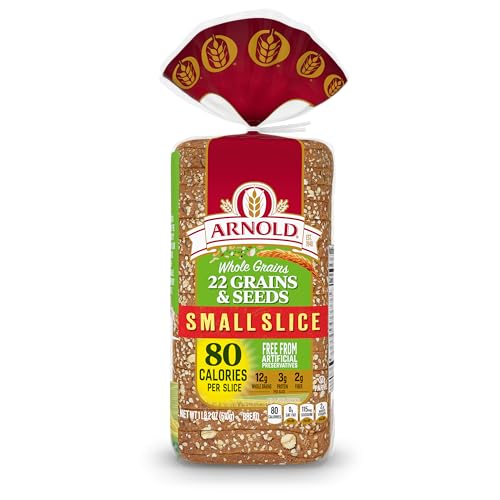
Designed for calorie-conscious snacking, this loaf uses a smaller pan to deliver an 18 oz loaf with 80 calories per slice. It’s free from artificial colors, flavors, or preservatives, making it a straightforward option for everyday meals. Best for: portion-controlled diets where taste remains a priority. A caveat: not all consumers prefer “small-slice” bread if you need larger slices for sandwiches.
Dave’s Killer Bread 21 Whole Grains & Seeds

This loaf emphasizes a robust texture with a hearty flavor profile, featuring six grams of protein and four grams of fiber per slice, along with 22 grams of whole grains per serving. It’s ideal for those who want a more substantial slice that pairs well with hearty toppings. Best for: protein and fiber-focused diets, or when a bolder, seed-crusted crust is desired. Limitation: flavor intensity may be stronger for some sandwich styles or milder palates.
Buying Guide
What should you consider when choosing multigrain bread?
- Ingredient quality: Look for Non-GMO, organic, or whole-grain certifications if those align with your priorities.
- Grain variety and seeds: More grains and seeds add texture and nutrition but can change flavor and chew. Decide whether you want a seed-forward loaf or a softer crumb.
- Per-slice nutrition: If you track protein, fiber, or calories, compare per-slice values to meet dietary goals.
- Texture and use: For sandwiches, you might prefer a softer crumb; for toast or breakfast, a heartier slice can be preferable.
- Portion sizing: Some loaves are marketed as small-slice, which can affect sandwich planning at home.
Frequently Asked Questions
- What makes multigrain bread healthier than white bread? Multigrain bread typically uses a mix of whole grains, offering more fiber, nutrients, and often a richer flavor than white bread.
- Is sprouted grain bread better for digestion? Sprouted grains can increase nutrient availability and may be easier to digest for some people, but individual results vary.
- How should I store multigrain bread? Store in a cool, dry place or refrigerate to extend freshness. Freeze slices for longer storage.
- Which multigrain bread is best for weight management? Look for loaves with higher protein and fiber per slice and fewer added sugars. Per-meal portion control matters too.
- Are organic multigrain breads worth the extra cost? If you prioritize organic ingredients and seed varieties, organic loaves can align with those goals, though taste and texture can vary by brand.
- Can multigrain bread be used for keto or low-carb diets? Some specialty multigrain breads offer lower net carbs, but most traditional multigrain loaves are not keto-friendly. Always check nutrition information for net carbs.