Best Spicy Soy Bean Paste for Bold Umami Flavor
In this guide
- Ssamjang Korean Soybean Paste Sauce – Spicy
- Lee Kum Kee Spicy Soybean Sauce
- SXETBEAN Soybean Paste
- Premium Korean Ssamjang Soybean Paste Sauce – Mild
- Doenjang – Premium Fermented Korean Paste
- NPG Pixian Broad Bean Chili Paste
- Korean Soybean Paste Doenjang with Cheongyang Chili
- Buying Guide: Key Purchase Considerations
- Frequently Asked Questions
Discover the best spicy soy bean pastes that deliver authentic Korean and Chinese flavors, balanced heat, and rich umami. This buyer’s guide highlights five top picks, each suited to different kitchens and cooking styles. Ideal for fans of ssamjang, doenjang, mapo tofu, and dipping sauces. The table below summarizes why each product stands out and who should buy them.
| Product | Best For | Why It Stands Out | Limitation |
|---|---|---|---|
| Ssamjang Korean Soybean Paste Sauce (O’food, Spicy) | Korean BBQ lovers, lettuce wraps | Rich, thick paste with fermented soybean, chili paste, sesame oil | Spice level may vary by batch |
| Lee Kum Kee Spicy Soybean Sauce | Stir-fries and sauces | Widely used in Chinese dishes, versatile base | Label emphasizes general use; heat level unspecified |
| SXETBEAN Soybean Paste | Stir-fry, stews, dips | Traditionally fermented, rich aroma | Multi-use pasta; check salt content |
| Premium Korean Ssamjang (O’food, Mild) | Same as spicy version but milder palates | Balanced spice with Korean flavors | Less heat for heat-seekers |
| Doenjang – Premium Korean Fermented Paste | Doenjang jjigae, soups, marinades | Deep umami, smooth texture, aging improves flavor | Not a direct spicy paste; more savory |
Ssamjang Korean Soybean Paste Sauce – Spicy
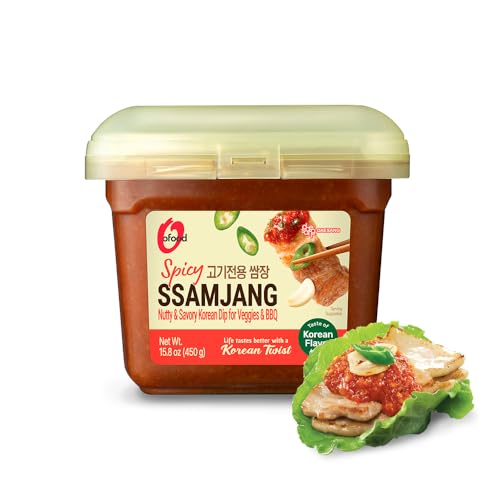
Best for fans of bold Korean flavors who want a ready-to-use sauce for dipping or wrapping. This paste blends fermented soybean, chili pepper paste, sesame oil, garlic, and onions for a savory heat. Suitable for grilled meats, vegetables, seafood, and rice. Best for those who love ssam wraps or Korean barbecue. Caution: heat intensity can vary by batch, so start with small portions if you are sensitive to spice.
Lee Kum Kee Spicy Soybean Sauce

Best for home cooks who want a versatile Chinese-style base for stir-fries and sauces. The sauce is built around chili-infused soybean paste, enabling quick flavor boosts to vegetables, meats, and noodles. Choose this if you rely on a single, multipurpose paste in busy weeknights. Limitation: the product description emphasizes general use, so heat level details may require personal testing.
SXETBEAN Soybean Paste

Best for cooks seeking a traditional, full-flavor soybean paste for multiple dishes. Fully fermented soybeans deliver a rich aroma and a balanced salty-sweet profile, suitable for stir-fries, stews, dips, and sauces. Use this when you want a versatile base that can become many different dishes. Limitation: some users may prefer a stronger or milder saltiness depending on the recipe.
Premium Korean Ssamjang Soybean Paste Sauce – Mild

Best for diners who want Korean flavors with lower heat. This mild version provides the same background notes of fermented soybean, sesame, garlic, and onions but with less intensity. Choose this if you’re prepping for kids or guests sensitive to spice. Caution: heat is milder, so it may not satisfy hardcore spice lovers.
Doenjang – Premium Fermented Korean Paste

Best for traditional Korean stews and soups that rely on deep umami rather than sharp heat. Doenjang is a fermented soybean paste with a smooth texture and deep savory profile. Use as a base for doenjang jjigae, bibimbap marination, or dipping sauces. Limitation: it is less spicy and might not satisfy heat-seekers looking for a chili-forward paste.
NPG Pixian Broad Bean Chili Paste

Best for Sichuan-style dishes that rely on bold chili and bean flavors. This paste blends broad beans, chili oil, Sichuan pepper, garlic, and other aromatics to create a core ingredient for mapo tofu and hotpots. Choose this if you want a robust, heat-forward option with a complex Sichuan profile. Caution: bold heat may overwhelm delicate dishes if not moderated.
Korean Soybean Paste Doenjang with Cheongyang Chili

Best for a spicy-doenjang flavor with mushroom and anchovy notes. This paste integrates Cheongyang chili peppers for heat and mushrooms and anchovy to deepen umami. Choose this if you want a do-it-all paste for soups, stews, and sauces with a Korean twist. Limitation: flavor profile leans savory with a distinct marine and mushroom nuance, which may not suit all recipes.
Buying Guide: Key Purchase Considerations
- Flavor intent: Do you want a spicy, umami-forward sauce (ssamjang) or a deep, fermented paste (doenjang) for stews?
- Heat tolerance: Some products are mild, others offer bold chili kicks. Start with milder options for broader audiences.
- Cuisine focus: Korean options emphasize ssam and barbecue; Chinese and Sichuan pastes suit stir-fries and mapo tofu.
- Texture: Paste consistency ranges from thick and chunky to smooth; match to your dish needs.
- Versatility: Consider multi-use pastes that can serve as dipping sauces, marinades, and bases for soups.
- Allergens and ingredients: Check for soy, sesame, or wheat if you have dietary restrictions.
Frequently Asked Questions
- What is the difference between ssamjang and doenjang?
Ssamjang is a spiced, often chili-enhanced dipping paste used for wraps; doenjang is a fermented soybean paste with deeper umami used in stews and sauces. - Can these pastes be used for dipping only?
Many are versatile: they work as dips, marinades, and flavor boosters in stir-fries and soups. - Which paste is best for Korean barbecue?
Ssamjang variants (spicy or mild) are typically preferred for lettuce wraps and grilled meats. - Are these pastes spicy by default?
Some are designed with noticeable heat, others are milder; always check the product description and adjust portion size. - Is fermentation important for flavor?
Yes. Fermented pastes like doenjang develop deeper umami and a creamy texture that enriches soups and stews. - Can I substitute one paste for another?
Substitutions depend on the dish; do not expect exact flavor matches when swapping between Korean and Chinese pastes.