Best Red Leaf Amaranth for Fresh Greens and Colorful Gardens
In this guide
- Red Stripe Leaf Amaranth Seeds – Liliana’s Garden
- Red Amaranth Seeds for Planting – HipGirl
- 500 pcs Red Stripe Leaf Amaranth Edible Seeds – Seeds Of Strength
- SVI 1500 Red Garnet Amaranth Seeds
- 3000+ Red Stripe Amaranth Seeds — Mai’s Family
- Buying Guide
- What growing space fits red leaf amaranth best?
- How to choose between seed varieties?
- Germination and care tips
- Storage and longevity
- Maintenance and harvesting considerations
- FAQ
Red leaf amaranth is a versatile, fast-growing leafy green that adds vibrant color and nutrient-rich leaves to salads, sautés, microgreens, and garnishes. This guide targets home gardeners, container gardeners, and small-scale urban farmers who want reliable germination, quick harvests, and striking edible foliage. The featured products below were chosen for strong germination, clear growing guidance, and suitability for different growing spaces. A quick buyer’s table highlights each option to compare key traits at a glance.
| Product | Best For | Why It Stands Out |
|---|---|---|
| Red Stripe Leaf Amaranth Seeds — Liliana’s Garden | Beginners who want guaranteed quality | Includes growing guide; robust yield potential; gift-ready packaging |
| Red Amaranth Seeds for Planting — HipGirl | Colorful microgreens and versatile use | Non-GMO; quick germination; multiple growing options |
| 500 pcs Red Stripe Leaf Amaranth Edible Seeds — Seeds Of Strength | Containers and small beds | High yield per packet; nutrient-dense greens |
| SVI 1500 Red Garnet Amaranth Seeds | Outdoor gardens and containers | Fast growth; dual-use as greens and grain |
| 3000+ Red Stripe Amaranth Seeds — Mai’s Family | Bulk growing and ornamental use | Very fast harvest; striking leaf coloring |
Red Stripe Leaf Amaranth Seeds – Liliana’s Garden
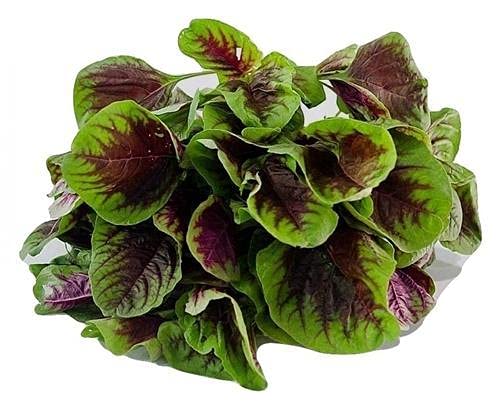
Features: One full packet of Amaranth “Red Stripe Leaf” seeds. Yields up to 425 full-sized plants or about 120 pounds of leaves if harvested continually over a four-month period. Includes tips and a growing guide. High-quality seeds with gift-ready packaging and full gardening support. Liliana’s Garden guarantees quality and offers refunds or replacements if expectations are not met.
Best for: Beginners and gift-givers who want reliable germination and clear instructions. This option is ideal for gardeners seeking a straightforward start with strong support from the manufacturer.
Caution: Since results depend on growing conditions, yields may vary with climate and care. Ensure adequate light and consistent moisture for best results.
Red Amaranth Seeds for Planting – HipGirl
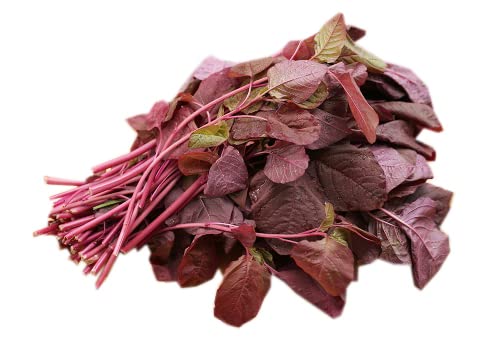
Features: Premium heirloom red amaranth seeds; non-GMO; vibrant garnet leaves. Versatile as a vegetable, grain, or ornamental. Young leaves are colorful additions to salads and a spinach substitute. Quick germination and color-rich harvest. Suitable for outdoor beds, containers, or indoor microgreens setups.
Best for: Gardeners wanting attractive greens with multiple uses—salads, stir-fries, or microgreens—and who value non-GMO seed options. Choose this if you plan to harvest for baby greens or garnish color.
Caution: May require warmer temperatures to maximize germination speed; provide warmth if planting indoors or in cooler climates.
500 pcs Red Stripe Leaf Amaranth Edible Seeds – Seeds Of Strength

Features: Fast germination and strong growth, ideal for home gardens, containers, or raised beds. Nutrient-rich greens packed with vitamins A, C, calcium, iron, and protein. Distinct red-striped leaves add beauty to the garden and plates.
Best for: Gardeners seeking a high-yield, reliable seed bag for containers or small plots with striking foliage. Choose this when you want a dependable, nutrient-dense harvest with visual appeal.
Limitation: Seed count per packet is a factor; plan planting density to avoid overcrowding and ensure air circulation.
SVI 1500 Red Garnet Amaranth Seeds

Features: Fast-growing greens, red amaranth leaves in 20–30 days. High germination in 8–10 days. Dual-use crop offering leafy greens and gluten-free grain. Suitable for home gardens, containers, and zones 3–12.
Best for: Those who want both leafy greens and grain options, plus reliable performance in a range of climates. Choose this if you value dual-purpose harvests that can adapt to different recipes.
Caution: Young plants may require consistent moisture and sun; uneven watering can slow growth and leaf quality.
3000+ Red Stripe Amaranth Seeds — Mai’s Family
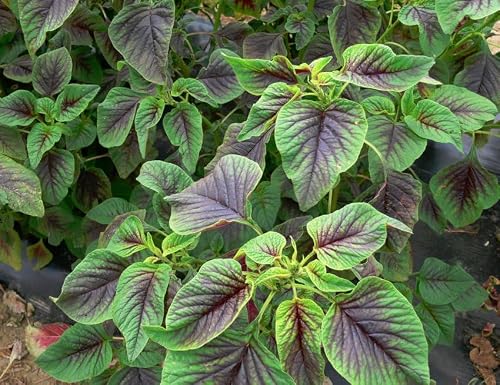
Features: Fast-growing greens ready in 30–40 days; dual-colored leaves with purple-red veins. Very versatile for culinary use, including fresh salads, stir-fries, or steaming as a nutritious leafy vegetable.
Best for: Budget-minded growers who want a large seed quantity for ongoing plantings and bold leaf color for ornamental and culinary use. Choose this when you need rapid turnover and a dramatic look in beds or containers.
Caution: Very large seed quantity may lead to crowding if not spaced properly; stagger sowings to maintain airflow and air circulation.
Buying Guide
What growing space fits red leaf amaranth best?
Amaranth thrives in full sun and warm conditions. It grows well in raised beds, traditional garden beds, containers, or indoor trays for microgreens. Choose larger containers or raised beds to support taller, faster-growing plants and easier harvests.
How to choose between seed varieties?
Consider color intensity, leaf size, and dual-use options. For ornamental color and quick greens, red-striped or garnet varieties perform well. For dual-purpose grain and greens, select seeds marketed as multi-use or dual-purpose crops.
Germination and care tips
- Surface sow or lightly cover seeds; keep soil warm and evenly moist.
- Provide at least 6–8 hours of sunlight daily; ensure good airflow to prevent mildew.
- Harvest young leaves for salads or microgreens within 2–3 weeks after germination for best tenderness.
Storage and longevity
Store seeds in a cool, dry place in a sealed container. Label with germination period and best-by date for optimal results in future growing seasons.
Maintenance and harvesting considerations
Regular harvesting encourages continuous growth. Avoid overcrowding to maintain healthy air circulation and reduce disease risk. Rotate amaranth with other crops to preserve soil health.
FAQ
- Is red amaranth easy to grow for beginners?
Yes. Most varieties germinate quickly and tolerate container growing, making them suitable for beginners with basic garden care. - What parts of the plant are edible?
Leaves and tender stems are edible, and some varieties produce edible seeds or grains. - Can amaranth be grown indoors?
Yes, as microgreens or in warm indoor trays; provide sufficient light and warmth. - Do red leaves indicate specific flavors?
Color is primarily an aesthetic and nutritional trait; flavor is typically mild and earthy, similar to spinach. - Are these seeds non-GMO?
Several listed options are described as non-GMO; verify on each product page if non-GMO status is important to you. - What is the typical harvest time?
Leafy greens often mature in 20–40 days depending on variety and growing conditions.