Best Protein Isolate Supplements for Clean Muscle Support and Lean Goals
In this guide
- Optimum Nutrition Gold Standard Double Rich Chocolate
- Isopure Zero Carb 100% Pure Whey Isolate
- BulkSupplements Whey Protein Isolate – Unflavored
- Transparent Labs Grass-Fed Whey Isolate – Milk Chocolate
- Dymatize ISO100 Whey Isolate – Gourmet Vanilla
- Buying Guide: Key Considerations For Protein Isolate Supplements
- Choosing By Scenario
- FAQ
When choosing a protein isolate supplement, look for high-purity whey isolates, minimal added sugar, and reliable sourcing. This guide highlights five options suited for athletes, busy professionals, or anyone aiming to increase daily protein without extra carbs or fats. Each product section explains who it’s best for, why it was selected, and a practical caveat.
Buying Guide Table
Overview of selected products:
| Product | Protein per Serving | Best For | Why Selected |
|---|---|---|---|
| Optimum Nutrition Gold Standard 100% Whey – Double Rich Chocolate | 24 g | Athletes seeking lean muscle and taste | Well-rounded, widely available, low sugar/carb with strong amino profile |
| Isopure Zero Carb 100% Pure Whey Isolate – Unflavored | 25 g | Low-carb or keto-focused needs | Zero carbs, clean ingredient profile |
| BulkSupplements Whey Protein Isolate – Unflavored | 30 g | Customizable mixes and simple ingredients | No added sweeteners; straightforward label |
| Transparent Labs Grass-Fed Whey Protein Isolate – Milk Chocolate | 28 g | Clean-label seeker and recovery support | Grass-fed, minimal sugar, transparent sourcing |
| Dymatize ISO100 Whey Protein Isolate – Gourmet Vanilla | 25 g | Fast-absorbing option for post-workout | Low lactose, high-quality peptides for rapid absorption |
Optimum Nutrition Gold Standard Double Rich Chocolate

Protein per serving: 24 g. This whey blend emphasizes high-quality whey protein with naturally occurring BCAAs and EAAs to support recovery, muscle maintenance, and growth when paired with resistance training. It is designed with relatively low sugar and carbohydrate content, making it suitable for lean-muscle goals or cutting phases. Best for athletes who want a balanced, flavor-friendly option with dependable mixability. Caution: flavor variety can impact sugar and carb content slightly; check label for the exact numbers per batch.
Isopure Zero Carb 100% Pure Whey Isolate

Protein per serving: 25 g. This unflavored, zero-carb whey isolate is ideal for daily protein supplementation without impacting total carbohydrate intake. Best for individuals following strict carb budgets or those who bake or blend protein into meals without altering taste. Caution: unflavored formats may be less enjoyable for some; consider pairing with flavors or beverages if taste matters.
BulkSupplements Whey Protein Isolate – Unflavored

Protein per serving: 30 g. A minimalist option with no added sweeteners, suitable for people who want full control over their ingredient list. Best for those who prefer a straightforward protein powder and want flexible mixing without flavor interference. Caution: unflavored powders can taste bland; consider adding a natural flavoring or a blended recipe to improve palatability.
Transparent Labs Grass-Fed Whey Isolate – Milk Chocolate
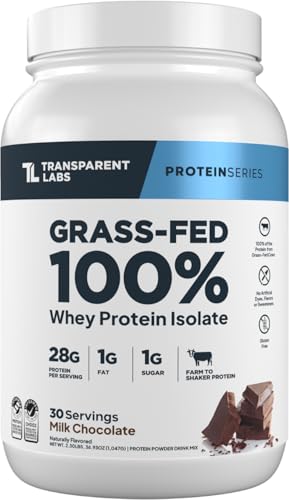
Protein per serving: 28 g. This product emphasizes clean sourcing (grass-fed, hormone-free) and a naturally flavored profile with minimal sugar. It’s best for those who prioritize sustainability and a smoother recovery profile. Caution: flavor options are limited; some buyers prefer to mix with other ingredients to diversify taste.
Dymatize ISO100 Whey Isolate – Gourmet Vanilla

Protein per serving: 25 g. ISO100 is designed for rapid absorption and reduced lactose, making it suitable for post-workout or daily supplementation where quick amino delivery is desired. Best for those who want high-quality protein with a lighter digest. Caution: some users report preferred flavors over vanilla; consider trying another flavor if available.
Buying Guide: Key Considerations For Protein Isolate Supplements
- Purity and source: Look for whey isolate as the primary protein, with minimal fats and sugars. Grass-fed or hormone-free labels are optional but beneficial for long-term nutrition quality.
- Amino acid profile: A good isolate should provide essential amino acids, especially leucine, to support muscle protein synthesis after training.
- Carbohydrate and sugar content: If cutting or managing carbs, favor products labeled low or zero sugar and low carb counts.
- Flavor and palatability: Flavored options improve adherence. Unflavored isolates suit those who want customization in recipes but may require flavor add-ins.
- Digestibility: Some isolates are formulated to be easy on the stomach; consider lactose-tolerant needs and potential digestive comfort.
- Allergen considerations: If gluten-free or dairy-related sensitivities exist, verify label compliance and certifications.
- Brand transparency: Prefer brands that clearly disclose sourcing, testing, and ingredient lists without relying on vague claims.
- Price per serving: Compare cost per serving and per gram of protein to assess long-term value, considering serving sizes and scoops.
Choosing By Scenario
- For taste and versatility: Optimum Nutrition Gold Standard products provide reliable mixability and flavor options.
- For zero-carb diets: Isopure Zero Carb delivers protein with no carbohydrate impact.
- For strict ingredient control: BulkSupplements Unflavored isolates offer a clean label without added sweeteners.
- For clean-label preferences: Transparent Labs Grass-Fed isolates emphasize minimal ingredients and grass-fed sourcing.
- For fast absorption: Dymatize ISO100’s peptide-rich profile supports quick amino delivery after workouts.
FAQ
- What is a protein isolate? — A protein isolate is a highly purified protein powder with most fats and carbohydrates removed, typically providing a higher protein percentage per serving than concentrates.
- Who should use whey protein isolate? — Those seeking lean muscle gains, low-carb diets, or reduced lactose intake may benefit most from isolates.
- Are flavored isolates better than unflavored? — Flavored options improve palatability, but unflavored isolates offer flexibility for customization and lower sugar if desired.
- How much protein do I need per day? — Daily protein needs vary by body weight, activity level, and goals; a common target is 0.6–1.0 g per pound of body weight, distributed across meals.
- Can I mix isolates with foods besides shakes? — Yes, isolates can be added to smoothies, yogurt, oatmeal, or baked goods to boost protein intake.
- Do all isolates taste the same? — Taste and texture differ by flavor and brand; trialing small sizes helps determine preference.