Best Dry Ice Pellets for Safe, Efficient Storage and Transport
In this guide
- Praxair Dry Ice Pellets (40 lb.)
- Praxair Dry Ice Pellets (80 lb.)
- Dry Ice Pelletizer Factory Grade CO2 Equipment
- Scotwood Ice Melt Pellets, 50 lb
- Snow Joe Pellets of Fire Ice Melter, 50 Lbs
- Buying Guide: Key Considerations For Dry Ice Pellets
- What size and quantity do I need?
- What safety considerations matter?
- What is the intended use?
- Are there on-site production options?
- What about safety and storage location?
- Comparison snapshot
- FAQ
When you need reliable solid CO2 pellets for shipping, chilling shipments, or stage effects, choosing the right dry ice pellets matters. This guide highlights five top options, explains who they’re best for, and compares their strengths and limits. From industrial-grade 40–80 lb cases to specialized pelletizers, readers will find clear guidance on selecting the best fit for their needs.
| Product | Brand | Approximate Use |
|---|---|---|
| Praxair Dry Ice Pellets (40 lb.) | Praxair | Small to medium cold-chain shipments; ideal for occasional dry ice users |
| Praxair Dry Ice Pellets (80 lb.) | Praxair | Bulk shipments or frequent dry ice users needing larger quantities |
| Dry Ice Pelletizer Factory Grade CO2 Equipment | Generic | Bulk production of solid CO2 pellets; for businesses needing on-site pelletization |
| Scotwood Ice Melt Pellets, 50 lb | Bunzl Distribution Midcentral | Winter deicing; not dry ice but a related pellet product for outdoor access |
| Snow Joe Pellets of Fire Ice Melter, 50 Lbs | PELLETS OF FIRE | Double-use deicer; not dry ice but shows pelletized chemistry for cold-weather use |
Below are detailed sections for five selected products, with practical buyer guidance. Each section explains who should choose the product, why it was selected, and any caveats.
Praxair Dry Ice Pellets (40 lb.)

Best for occasional dry ice users needing a manageable starting supply. Praxair’s 40 lb option offers standard pellet size suitable for many shipping and cooling tasks. The packaging and handling warnings are explicit, making it clear what to avoid, such as bare-handed contact and unsafe storage.
Who it’s best for: small businesses or individuals placing infrequent dry ice orders who want a reliable option without large upfront commitments.
Why selected: It provides a recognizable brand with clear safety instructions, simplifying procurement and ensuring predictable performance for typical short-haul shipments.
Caution: Do not handle with bare hands. Do not consume dry ice. Do not store in small spaces.
Praxair Dry Ice Pellets (80 lb.)

Better for frequent users or businesses with steady dry ice needs who want bulk convenience. The 80 lb size reduces the frequency of reorders and can support larger shipments or longer cooling durations.
Who it’s best for: operations with regular dry ice usage, such as small-volume cold-chain shipments or event services requiring longer-lasting cooling.
Why selected: Bulk option lowers per-pound costs and reduces order frequency for ongoing users.
Caution: Do not handle with bare hands. Do not consume dry ice. Do not store in small spaces.
Dry Ice Pelletizer Factory Grade CO2 Equipment

Best for scaling up pellet production. A dry ice pelletizer is not a consumer product; it serves businesses that need to produce solid CO2 pellets on-site or at scale, enabling consistent pellet size and density across varying orders.
Who it’s best for: mid-to-large operations with predictable pellet demand and the need to control pellet characteristics and production flow.
Why selected: It enables in-house production, reducing dependence on third-party pellet suppliers and potentially improving lead times for large orders.
Caution: The listed price reflects base configuration; additional accessories and shipping location affect final pricing. This is a specialized equipment purchase requiring professional setup.
Scotwood Ice Melt Pellets, 50 lb

Best for outdoor deicing rather than dry ice cooling. This product is a pelletized calcium chloride ice melt used on driveways and sidewalks, suitable for winter safety tasks where dry ice is not required.
Who it’s best for: homeowners or facilities managers needing fast-acting salt-based deicing in cold conditions.
Why selected: It illustrates the distinction between dry ice pellets and other pelletized deicers, which helps buyers avoid mis-purchasing for cooling needs.
Limitations: Not a dry ice product; use only for melting ice on surfaces, not for cold-chain cooling or stage effects.
Snow Joe Pellets of Fire Ice Melter, 50 Lbs
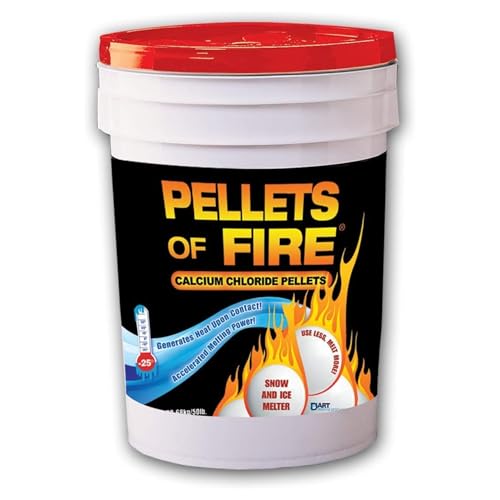
Best for fast-acting deicing in rugged winter conditions. These calcium chloride pellets offer rapid melting on driveways and concrete surfaces, especially at temperatures where other salts struggle.
Who it’s best for: homeowners and property managers in regions with severe cold who need reliable, quick deicing for outdoor spaces.
Why selected: Demonstrates another pelletized option in winter maintenance, highlighting differences between dry ice use and chemical deicers.
Limitation: Not a dry ice product; ensure you select dry ice pellets if the goal is CO2 cooling or theatrical applications.
Buying Guide: Key Considerations For Dry Ice Pellets
What size and quantity do I need?
Assess shipment size, storage capacity, and how long the cooling or deicing effect must last. Smaller orders are easier to manage, while bulk options reduce reordering frequency for ongoing needs.
What safety considerations matter?
Always follow handling warnings. Dry ice can cause burns; use appropriate gloves and ventilation. Do not store in sealed containers as CO2 buildup can cause pressure hazards.
What is the intended use?
Dry ice pellets are designed for cooling and shipping, not for food contact surfaces or direct consumption. Deicers and pelletized chemicals serve different roles and should be chosen for their specific purpose.
Are there on-site production options?
For high-volume users, a pelletizer can offer in-house production with consistent pellet characteristics. This can improve lead times but requires investment and maintenance.
What about safety and storage location?
Store dry ice in well-ventilated areas away from children and pets. Avoid confined spaces and ensure containers are breathable or designed for dry ice storage.
Comparison snapshot
- Best for occasional use: Praxair Dry Ice Pellets 40 lb
- Better for frequent use: Praxair Dry Ice Pellets 80 lb
- Choose this if you need on-site pellet production: Dry Ice Pelletizer
- Deicing-focused pellet options: Scotwood and Snow Joe products (not dry ice)
FAQ
- What is the main difference between dry ice pellets and standard ice packs? Dry ice pellets are solid CO2 used for cooling and fog effects, while ice packs are water-based solutions designed to keep items cold for extended periods without sublimation.
- Can I reuse dry ice pellets? Dry ice sublimates over time; pellets are typically used once and replaced as needed.
- Is dry ice safe for food contact? Dry ice should not be consumed and is typically not used directly with food in consumer settings unless prepared and packaged specifically.
- Do I need special storage for dry ice? Yes—store in a well-ventilated area, avoid sealed spaces, and use proper gloves when handling.
- When should I consider an on-site pelletizer? If you have steady, high-volume pellet requirements and want to control pellet consistency and lead times, a pelletizer may be advantageous.
- Are there non-dry-ice pellet options I should consider? Yes; deicers and other pelletized products may suit tasks like deicing or stage effects but serve different purposes than dry ice pellets.