Best Multi Grain Thin Bread Options for Sliced Sandwiches and Toast
In this guide
- Arnold Whole Grains Healthy Multi Grain Bread
- Arnold Whole Grains 12 Grains and Seeds
- Dave’s Killer Bread Good Seed Thin-Sliced
- Nature’s Own 100% Whole Grain
- Dave’s Killer Bread 21 Whole Grains & Seeds
- Sara Lee Delightful Healthy Multi Grain
- Buying Guide: Key Factors for Multi Grain Thin Bread
- Frequently Asked Questions
Your search for multi grain thin bread ends with these top picks designed for everyday sandwiches, toast, and wraps. Each option targets different needs—fiber, protein, or a lighter texture—so you can choose what fits your diet and lifestyle. Ideal buyers include health-focused shoppers, busy families seeking quick meals, and anyone who wants whole grains without artificial additives. Below is a quick at-a-glance summary of the five highlighted products to help you compare at a glance.
| Product | Brand | Why It Stands Out |
|---|---|---|
| Arnold | Nutritious blend of oats, sunflower seeds and flaxseed; free from artificial colors, flavors, preservatives | |
| Dave’s Killer Bread | Thin-sliced, organic with 13g whole grains per slice; balanced nutrition per serving | |
| Nature’s Own | Non-GMO, fewer ingredients, no artificial colors, flavors or preservatives | |
| Dave’s Killer Bread | Higher grain and seed variety; hearty texture, good for filling sandwiches | |
| Sara Lee | Whole grain certified; eight grams of whole grain per slice; soft for sandwiches |
Arnold Whole Grains Healthy Multi Grain Bread

Best for: Shoppers who want a rich, nutty flavor with a seed-forward profile. This loaf blends oats, sunflower seeds and flaxseed for a hearty taste and texture. It’s ideal for versatile uses, from hearty sandwiches to toast with toppings. It’s free from artificial colors, flavors, and preservatives, making it a straightforward option for cleaner ingredient lists. Caution: Some may prefer a lighter texture; the presence of seeds can make some slices denser to stack in a sandwich.
Arnold Whole Grains 12 Grains and Seeds

Best for: Fans of a complex grain mix in every bite. The loaf provides 10 g of protein and 7 g of fiber per 2 slices, with 38 g of whole grains per 2 slices. It’s free from high fructose corn syrup and artificial additives, offering a wholesome, versatile base for sandwiches, toast, or breakfast bowls. Limitation: The richer grain blend may be denser and require slightly longer to toast evenly for some preferences.
Dave’s Killer Bread Good Seed Thin-Sliced

Best for: Those seeking organic bread with a seed-forward crust and a soft interior. Each slice delivers 13 g of whole grains, 70 calories, and a combination of protein and fiber, making it a solid choice for energy-dense sandwiches. Better for: quick, flavorful lunches and toast with toppings. Caution: It may be slightly higher in calories per slice compared to ultra-light options.
Nature’s Own 100% Whole Grain
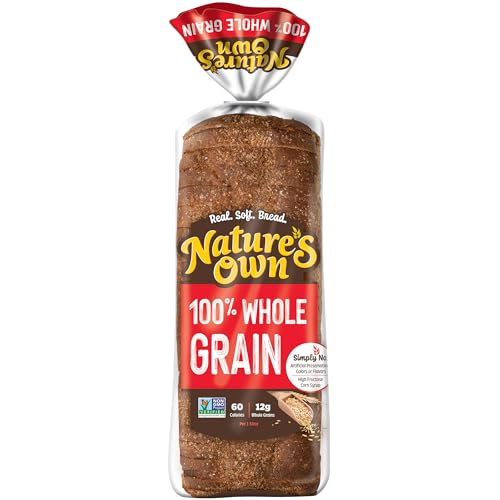
Best for: Shoppers prioritizing a clean ingredient list with a non-GMO label. This loaf offers a new recipe with fewer ingredients and no artificial colors, flavors, or preservatives. It’s a reliable base for everyday sandwiches and toast. Caution: Some customers may notice a milder flavor profile compared to more nutty or seeded blends.
Dave’s Killer Bread 21 Whole Grains & Seeds

Best for: Those who want a robust grain and seed profile with a hearty texture. Each slice brings 12 g of whole grains and a mix of seeds, supporting satiety in sandwiches. Better for: meal prep and energy-focused days. Caution: The thicker texture may not suit ultra-thin bread lovers or extremely delicate toppings.
Sara Lee Delightful Healthy Multi Grain

Best for: Shoppers seeking a soft multigrain option with whole grain certification. With eight grams of whole grain per slice and zero trans fat, it’s suitable for everyday sandwiches and toast. It’s cholesterol-free and a good fit for balanced diets. Caution: Some may prefer a stronger grain presence for toast or flavors beyond a mild multigrain profile.
Buying Guide: Key Factors for Multi Grain Thin Bread
- Whole grain content: Look for loaves that specify 100% whole grain or high grams of whole grains per serving. This influences fiber and nutrient intake.
- Seed and grain variety: More seeds (flax, sunflower, chia) add texture and omega-3s but can affect slice density and toastability.
- Artificial additives: If avoiding preservatives, colors, and flavors, check for “no artificial colors, flavors, or preservatives” or non-GMO labeling.
- Slice size and thickness: Thin-sliced options are ideal for light sandwiches, but may toast faster or require more slices per sandwich depending on preference.
- Protein and fiber balance: A bread with higher protein or fiber per serving supports fullness and steady energy between meals.
- Texture preference: Seeded loaves tend to be heartier; lighter blends are easier for kids or guests who prefer soft bread.
- Dietary considerations: Organic, gluten-sensitive, or sprouted varieties may fit specific diets; verify each product’s claims on the label.
Frequently Asked Questions
- What is the best choice for high fiber?
– Breads with 7–8 grams of fiber per two slices or more, such as some multi grain blends, are good for higher fiber intake. - Are seeded breads harder to slice for kids?
– Seeded loaves can be denser; choose thinner slices or milder blends for younger eaters. - Do these breads contain artificial ingredients?
– Several options advertise no artificial colors, flavors, or preservatives; always check the label for specifics. - Is organic always better?
– Organic can reduce exposure to synthetic pesticides and may align with certain dietary preferences, though nutrient content is similar in many cases. - Which bread is best for sandwiches?
– Softer multi grain loaves with balanced texture often work best for sandwich construction and holding fillings without crumbling.