Best Latte Coffee Beans for Home Baristas: Creamy Espresso Blends for Lattes
In this guide
Answering the popular question, these latte-friendly coffee beans deliver creamy texture, balanced sweetness, and reliable crema for café-style drinks at home. The top picks suit different buyers: espresso lovers who want a bold, velvety finish; beginners seeking a forgiving, balanced recipe; and mix-in enthusiasts who pair beans with milk for latte art-friendly drinks. Each option is chosen for consistency, ease of use, and proven compatibility with espresso and milk-based beverages. The following table summarizes five strong choices to consider.
| Product | Brand | Roast | Bag Size | |
|---|---|---|---|---|
| Lavazza Super Crema Whole Bean Coffee | Lavazza | Medium Espresso | 2.2 lb | Rich, creamy espresso for lattes |
| Lavazza Espresso Barista Gran Crema | Lavazza | Medium Espresso | 2.2 lb | Barista-level crema, consistent texture |
| Lavazza Espresso Whole Bean Coffee | Lavazza | Medium | 2.2 lb | Balanced, aromatic latte base |
| Starbucks Pike Place Roast | Starbucks | Medium | 28 oz | Approachable latte with cocoa notes |
| illy Classico Whole Bean Coffee | illy | Medium | 8.8 oz | Smooth, caramel and floral notes for milky drinks |
Lavazza Super Crema Whole Bean Coffee
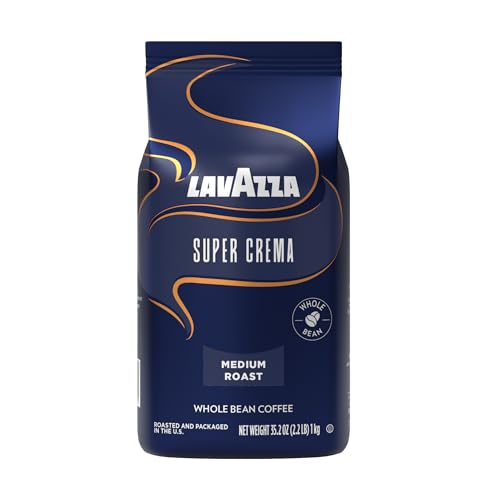
Key features: A 2.2 lb bag designed for espresso, offering a bold, creamy finish. The blend combines Arabica and Robusta beans sourced from 15 countries, delivering a full-bodied profile with natural caffeine. Best for buyers who want a ready-for-espresso bean with a creamy crema and strong presence in milk drinks. A potential limitation is the inclusion of Robusta, which may yield more intensity and a hint of bitterness for milk-forward drinks if not dialed in.
Lavazza Espresso Barista Gran Crema

Key features: 2.2 lb bag of Gran Crema, dark roast with a 7/10 intensity. This blend aims for a robust crema and smooth mouthfeel ideal for latte beverages. Best for home baristas seeking a strong espresso base that remains approachable when milk is added. Limitation: the product notes a darker roast, which can sometimes overshadow more delicate latte flavors if not balanced with milk and proper extraction.
Lavazza Espresso Whole Bean Coffee
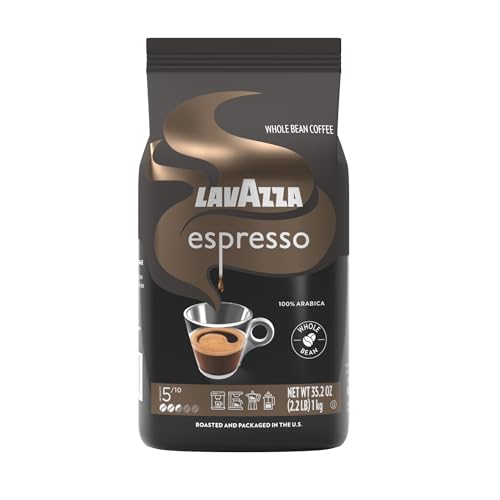
Key features: 2.2 lb bag, 100% Arabica blend with a fragrant medium roast and 5/10 intensity. This option emphasizes aromatic sweetness and a balanced finish, making it versatile for latte art. Best for buyers who want a smoother crema and a lighter touch on bitterness when milk is added. Caution: aroma and sweetness can vary with origin lot changes; consider restocking based on taste stability over time.
Starbucks Pike Place Roast
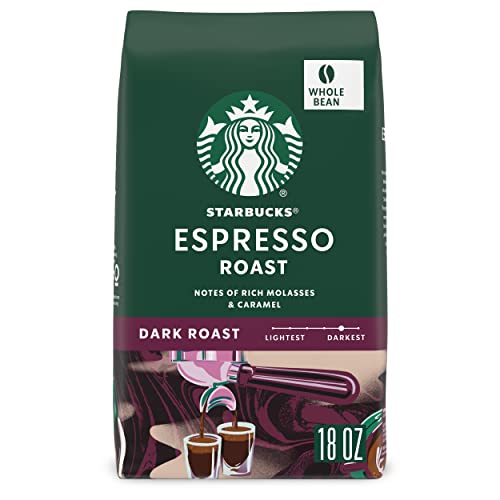
Key features: 28-ounce bag of Pike Place Roast, a well-rounded medium roast with cocoa and praline notes. Designed for versatile espresso or drip methods, including lattes. Best for buyers who want a familiar, approachable latte base that baristas often recommend for milk-forward drinks. Limitation: flavor profile in milk may feel muted for those who prefer stronger chocolate notes; consider pairing with flavored syrups or milk options to enhance depth.
illy Classico Whole Bean Coffee

Key features: 8.8 oz can of Illy Classico, a 100% Arabica medium roast with notes of caramel, orange blossom, and jasmine. Known for a clean, aromatic profile that blends well with milk in lattes. Best for buyers seeking a refined, consistent cup with a delicate sweetness. Limitation: smaller bag size may necessitate more frequent purchases; the taste profile is nuanced and may require precise grind and extraction to maximize latte quality.
Buying Guide
What to consider when choosing latte coffee beans
- Roast level: For latte stability, medium roasts tend to balance sweetness and crema without overwhelming milk.
- Origin and blend: Arabica-heavy blends offer brighter acidity and nuanced flavors; blends with Robusta can increase crema and body but may introduce bitterness.
- Bean form and freshness: Whole beans preserve flavor longer; store in a cool, dry place and grind just before brewing for best results.
- Espresso compatibility: If you primarily make lattes, ensure the beans perform well when pulled as espresso and then combined with milk.
- Flavor notes: Chocolaty, nutty, or fruity notes can influence latte profiles; choose notes that complement milk and syrups you use.
How to compare bean options effectively
- Color and aroma: Look for consistent color and a bright aroma indicating fresh roasting.
- Crema development: Beans labeled for espresso should yield crema that stands up in a milk-based drink.
- Grind size flexibility: If you don’t own a burr grinder, consider beans marketed for espresso with adaptable grind notes.
- Origin diversity: A mix from multiple regions can deliver a balanced latte without dominant single-origin flavors.
Storage and freshness tips
- Keep beans in a sealed, opaque container away from light and heat.
- Avoid frequent opening; buy in quantities you’ll use within a few weeks of roast date.
- Use within 2–4 weeks of opening for peak flavor; otherwise, consider freezing smaller portions to preserve freshness.
FAQ
- What roast is best for latte coffee beans?
Medium roasts typically provide a balanced base that works well with milk, preserving crema and sweetness. - Are Arabica beans better for lattes than Robusta?
Arabica offers more nuanced flavors; Robusta can improve crema and body but may introduce a stronger bite, so blends can be ideal for milk-based drinks. - Should I grind beans just before brewing for lattes?
Yes. Freshly ground beans improve aroma, crema, and flavor, especially for espresso-based drinks like lattes. - Is organic or single-origin important for lattes?
Both can work well. Organic or single-origin beans highlight specific tasting notes, while blends deliver balanced, crowd-pleasing profiles for milk-based drinks. - How much coffee should I use for a latte?
A standard single shot (about 1 ounce) of espresso is common for a latte; adjust to taste and your machine’s extraction guidelines. - Can I reuse or mix beans from different brands for lattes?
Yes. Mixing beans can create unique latte profiles, but start with compatible roasts to avoid harsh contrasts in flavor.