Best IPA Beer Making Kits for Home Brewers
In this guide
Looking for an IPA beer making kit that delivers true hop character and a straightforward brewing experience? This guide highlights five top options that cater to beginners and intermediate home brewers alike. Each kit is explained with who it’s best for, what makes it stand out, and a practical note on any limitations. Use this to compare setup practicality, hop profiles, and batch size so you can pick the right starter or upgrade kit for your kitchen brewery.
Quick buying snapshot
- Craft A Brew – Single Hop IPA (Cascade) — Best for hop-focused, easy-start batches for first-time brewers.
- Craft A Brew – Oak Aged IPA — Best for those wanting a wood-aged, deeper malt profile without extra equipment fuss.
- Pacific Coast IPA Ingredient Kit — Best for hands-on IPA with a balanced, classic hop bite in a 5-gallon batch.
- Northern Brewer Siphonless Kama Citra IPA — Best for simple, clean brewing with minimal tools and a citrusy hop profile.
- Brewer’s Best Grapefruit IPA Ingredient Kit — Best for fruit-forward IPA experimentation and quick results.
Craft A Brew – Single Hop IPA (Cascade)

This kit focuses on a single hop variety to emphasize Cascade’s piney, earthy, and herbal notes. It suits beginners who want a clear, repeatable process and a taught first lesson in hop timing and flavor development. The included guide supports learning the art of brewing with practical steps and explanations.
Best for: New brewers who want a straightforward, aroma-forward IPA with predictable outcomes. Limitations: A single hop profile may feel limiting after a few batches; consider pairing with other Cascade-based recipes later.
Craft A Brew – Oak Aged IPA

This oak-aged IPA provides a wood-aged character without requiring extra equipment. It’s designed for home brewers who want a richer malt backbone and a smooth finish, with beer-maker guidance included to navigate flavor development. The kit supports a fuller mouthfeel and subtle vanilla or spice notes from oak commentary.
Best for: Brewers seeking a maltier, more complex IPA with oak influence. Limitations: Oak aging nuances can vary batch to batch, so flavor consistency may require careful sanitation and temperature control.
Pacific Coast IPA Ingredient Kit

Pacific Coast IPA Ingredient Kit is tailored for a classic 5-gallon batch with an IBUs range of 63–67. This option emphasizes a balanced, West Coast hop character and provides all necessary ingredients for a traditional IPA profile. It’s a solid pick for home brewers who want a fuller volume and a recognizable IPA bite.
Best for: Hands-on crafters who want a traditional, bold IPA in a standard five-gallon batch. Limitations: 5 gallons requires larger fermenter and more bottles; ensure space and sanitation readiness.
Northern Brewer – Siphonless Kama Citra IPA
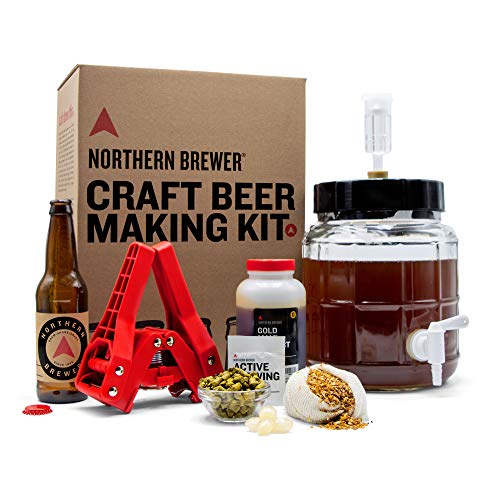
The Siphonless kit reduces the number of tools needed by using a siphonless fermenter design. It includes equipment and a Kama Citra IPA recipe, keeping the process simple for beginners who want an easy workflow with a strong citrus note. The kit is designed to minimize handling steps while preserving quality fermentation.
Best for: Beginners who want a clean, low-effort setup with a bright Citra hop profile. Limitations: Some first-time users may still find sanitizing and measuring steps challenging without practice.
Northern Brewer – Grapefruit IPA Ingredient Kit

This ingredient kit adds a grapefruit twist to the IPA style, offering a citrus-forward aroma and flavor that stands out from classic IPAs. It’s suitable for brewers who want a fruit-forward option without complicating the brewing steps. The kit includes essential components to complete a batch with practical instructions.
Best for: Experimenters who want a distinct citrus profile in their IPA. Limitations: Fruit-forward variations may shift balance away from traditional bitterness; adjust grist or hops if needed.
Buying Guide
What to consider when choosing an IPA beer making kit:
- Batch size: Most kits target 1 or 5 gallons. Choose based on space, equipment, and how quickly you want to drink the beer.
- Hop profile: Cascade and Citra provide distinct flavors. Decide if you want a single-hop focus or a broader blend.
- Oak or fruit additions: Oak aging or fruit extracts add complexity. Consider your taste goals and storage capacity for longer conditioning.
- Equipment needs: Some kits bundle everything, while others require additional fermenters or kettles. Assess your current setup.
- Ease of use: Siphonless designs reduce handling steps but still require sanitation discipline. Pick a workflow that matches your comfort level.
What matters for long-term success
- Fresh ingredients: Use fresh hops and brewing sugars when possible for best flavor.
- Sanitation: Clean equipment thoroughly before every batch to avoid off-flavors.
- Fermentation control: Maintain steady temperatures to optimize yeast health and aroma retention.
- Recipe notes: Keep a log of ingredients and timings to reproduce or adjust future batches.
FAQs
- Do IPA kits require advanced brewing skills? No. Many kits are designed for beginners and include step-by-step instructions.
- What batch size should I expect? Most beginner kits make about 1 gallon, while many standard kits target 5 gallons.
- Can I customize flavors later? Yes. After mastering a base, you can experiment with different hops, yeasts, or aging methods.
- Is oak aging essential for IPA? Not essential, but it adds depth. It’s optional and depends on your flavor goals.
- Which kit is best for a quick turnaround? Kits advertised with faster fermentation or simple methods are typically best for quick results.
- Are fruit-forward IPAs harder to balance? They can be; start with small adjustments and test batches to maintain harmony.