Best Dry Ice Making Machine Options for Home, Bar, and Lab Use
In this guide
- INNOVECO Dry Ice Maker – Fast Dry Ice From Liquid CO2
- SP Bel-Art Frigimat – Reliable Dry Ice Block Producer
- MDJITAI 2-in-1 Dry Ice Maker And Glass Chiller
- SP Bel-Art Frigimat Junior – Compact Dry Ice On Demand
- MICMCH Mini Dry Ice Machine – High Efficiency For Preserving And Effects
- Buying Guide
- Practical use scenarios
- Maintenance quick tips
- FAQ
Looking for a reliable dry ice making machine to generate blocks, pellets, or flakes on demand? This guide highlights five top picks that balance efficiency, safety, and practicality for buyers such as bartenders, researchers, event planners, and hobbyists. Each option is described with who it’s best for, why it’s a good fit, and a practical caveat to consider before buying. A concise summary table follows to help you compare at a glance.
| Product | Best For | Key Benefit | Limitation |
|---|---|---|---|
| INNOVECO Dry Ice Maker | Small workplaces and home use | High transforming rate, compact design | CO2 source required |
| SP Bel-Art Frigimat | Users with liquid CO2 cylinders | Clear viewing window, easy block production | Requires connection to CO2 cylinder |
| MDJITAI Dry Ice Maker Machine | Bars, restaurants, event venues | Two-in-one ice and cup chilling capability | CO2 supply and setup needed |
| SP Bel-Art Frigimat Junior | Compact spaces and labs | Flake or snow on demand, durable nozzle | Smaller output compared to full-size units |
| MICMCH Dry Ice Machine Mini | Food preservation and stage effects | High conversion rate, quick block production | Germany-made core parts may affect availability |
INNOVECO Dry Ice Maker – Fast Dry Ice From Liquid CO2

The INNOVECO model is designed for quick conversion of liquid CO2 to dry ice, delivering about 0.11 pounds of dry ice per cycle from roughly 0.41 pounds of liquid CO2. It suits small shops, classrooms, and home labs where speed matters and a steady supply of dry ice is needed for demonstrations or cooling experiments. Best for: hobbyists and small operators who want a straightforward, compact machine with a high transformation rate.
Why selected: It emphasizes a fast processing rate and compact form, which helps save space in tighter environments. Limitation: A CO2 source is necessary, and the machine’s performance depends on consistent access to liquid CO2 and proper safety practices when handling extremely cold materials.
SP Bel-Art Frigimat – Reliable Dry Ice Block Producer
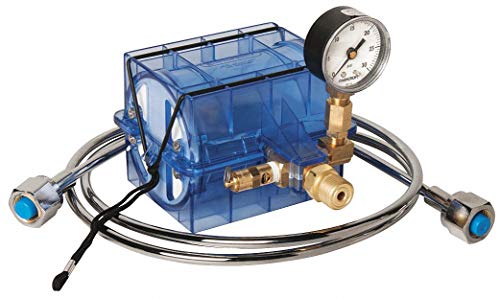
The Frigimat unit attaches to a liquid CO2 cylinder with a dip tube to create 250 to 350-gram dry ice blocks within minutes. It’s best for users who want a steady stream of solid blocks and easy monitoring through its viewing window. Best for: laboratories and catering setups needing ready-to-use blocks quickly.
Why selected: Its viewing window and tool-free removal design make operation straightforward, helping users verify block formation without disassembly. Caution: It requires a compatible CO2 cylinder and safety gloves, as the exterior stays cold while in use.
MDJITAI 2-in-1 Dry Ice Maker And Glass Chiller

This 2-in-1 machine produces a 6 cm dry ice block in 12–15 seconds and doubles as a rapid glass chiller, achieving -40°C in 8–12 seconds. It’s a strong choice for bartenders and venues seeking dramatic, non-dilutive cooling for drinks and display. Best for: bars, clubs, and restaurants that want fast cooling and an efficient workflow.
Why selected: The combination of quick dry ice production and rapid chilling enhances service speed and presentation. Limitation: Involves standard CO2 cylinder connections; ensure appropriate ventilation and safety protocols during operation.
SP Bel-Art Frigimat Junior – Compact Dry Ice On Demand

The Frigimat Junior is a compact U.S. model designed for reliable flake or snow production on demand. Its design prioritizes easy setup and direct compatibility with U.S. liquid CO2 tanks, making it suitable for labs, educational environments, or small cafes that need flexible dry ice forms. Best for: compact spaces and educational demonstrations where flakes or snow are preferred.
Why selected: Durable brass nozzle ensures dependable integration with CO2 cylinders, enabling consistent results. Caution: Output is typically smaller than full-size units, so plan for expected daily demand accordingly.
MICMCH Mini Dry Ice Machine – High Efficiency For Preserving And Effects

The MICMCH unit emphasizes a high efficiency conversion, with about 0.5 pounds of dry ice produced per pound of liquid CO2 in a compact form. It is capable of quick 12-second blocks and is designed to deliver dramatic cold effects suitable for food preservation, stage effects, or beverages. Best for: food service and display scenarios where rapid, dense dry ice blocks are useful.
Why selected: Germany-sourced core components provide durable, high-pressure resistance and low-temperature stability. Limitation: Availability of core parts may affect maintenance and ongoing support in some regions. Caution: Ensure proper handling and ventilation when operating near customers or guests.
Buying Guide
What to consider when choosing a dry ice making machine:
- Output form: Do you need blocks, flakes, or snow? Some machines excel at blocks (Frigimat family), while others are optimized for flakes or rapid cooling demonstrations (Junior models).
- CO2 source: Most units require a liquid CO2 cylinder. Check compatibility with standard tanks and the required dip tubes or connectors.
- Cycle speed: For event spaces or bars, faster block production and rapid cooling can impact service flow. Look for seconds-per-block figures and cooling times for cups or glasses.
- Safety features: Consider built-in viewing windows, sturdy nozzles, and accessible ice-release mechanisms. Ensure proper gloves and ventilation when operating in public spaces.
- Material and build: Brass nozzles and aluminized shells offer durability in busy environments. If the unit is used frequently, choose models with easy-clean surfaces.
- Maintenance and parts: Some models rely on specific German-made or high-grade components. Verify availability of replacement parts and service in your region.
Practical use scenarios
- In a bar: A 2-in-1 machine with glass chilling helps prepare cocktails faster with minimal dilution and dramatic presentation.
- In a lab or classroom: A compact unit with easy block formation and a viewing window improves demonstrations and safety checks.
- Event catering: A high-output model that easily produces multiple blocks or flakes supports rapid service during peak times.
Maintenance quick tips
- Follow the manufacturer’s CO2 handling guidelines and use appropriate PPE when handling dry ice.
- Regularly inspect hoses, nozzles, and connections for leaks or wear and replace as needed.
- Clean exterior surfaces after use to prevent residue buildup, especially in food-related applications.
FAQ
- What is the best dry ice maker for a small cafe?
A compact unit that can produce blocks quickly and connect to standard CO2 cylinders is ideal. Look for models with reliable block output and simple operation. - Do these machines require special safety equipment?
Yes, use gloves and eye protection as dry ice causes extreme cold. Ensure proper ventilation in any public space to avoid CO2 buildup. - Can I use any CO2 cylinder with these machines?
Most models are designed to fit standard liquid CO2 cylinders with appropriate adapters. Verify compatibility with the model’s nozzle and valve requirements. - How long does it take to produce a dry ice block?
- Is dry ice safe for food and drinks?
- What maintenance is required after use?
Block times vary by model, typically ranging from 8 to 15 seconds, depending on machine capacity and CO2 supply.
Yes, when the device is designed with food-grade materials and used according to safety guidelines. Always observe recommended serving practices.
Rinse and wipe down exterior surfaces, store CO2 cylinders safely, and inspect hoses and nozzles for wear before the next use.