Best Bay Leaf Laurel Tree for Flavorful Herbs and Easy Outdoor Growth
In this guide
- Mediterranean Bay Leaf Standard Variety Live Plant
- 2 Bay Laurel (Laurus nobilis) – Starter Plants
- Saratoga Bay Laurel Live Plant in Cup
- Bay Leaf Tree Live Plant, 1 Year Old Sweet Bay Laurel
- Bay Laurel Tree Live, 8-10″ Tall
- Bay Leaf Laurel Tree Live Plant, 8-10″ Sweet Bay Laurel
- Buying Guide
- Frequently Asked Questions
Answering the search for bay leaf trees that are easy to grow and suited for American yards, this guide highlights five top bay leaf varieties and starter plants. These selections are ideal for outdoor planting, decorative hedges, or culinary herb gardens, depending on your space and climate. Best for ground planting are the standard varieties that grow larger, while compact options suit containers and indoor spaces. This article helps buyers pick the right option based on growth habit, scale, and practical use.
| Product | Suitability | Best For |
|---|---|---|
| Mediterranean Bay Leaf, Standard Variety | Ground planting | Outdoor landscaping and large bay leaf harvests |
| 2 Bay Laurel Live Starter Plants | Potted/landscape, versatile | Hedges, borders, or edible gardens |
| Mediterranean Bay Leaf, Saratoga Variety | Container or small-space planting | Pot planting and indoor or patio growing |
| Bay Leaf Tree Live Plant (1 Year Old) | Indoor/outdoor adaptable | Herb gardens, containers, or landscapes |
| Bay Laurel Tree Live, 8-10″ Tall | Indoor/outdoor versatile | Culinary herb plantings in smaller spaces |
Mediterranean Bay Leaf Standard Variety Live Plant
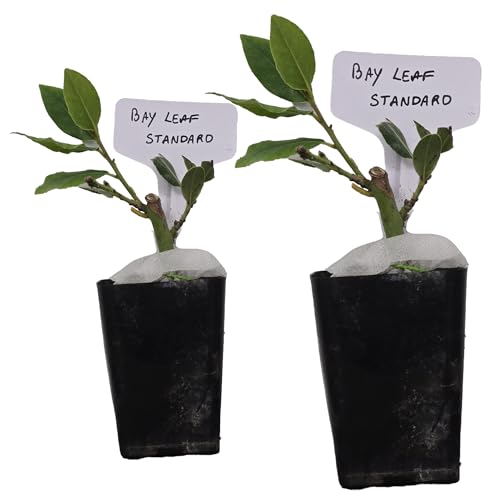
This standard bay leaf plant is best for outdoor ground planting and larger trees. It grows faster and develops larger leaves, delivering a stronger flavor. It is described as more spread out with a robust growth habit suitable for landscape use. It can reach substantial heights in suitable climates and is ideal for gardeners seeking a traditional bay tree for harvests and culinary use. Best for buyers who want a hearty outdoor bay tree that matures into a sizeable specimen.
Best for: outdoor gardeners and landscape plans that emphasize long-term growth and abundant foliage. Better for: planting in ground rather than container growth. Caution: slower container growth is possible if constantly pruned or kept in limited space.
2 Bay Laurel (Laurus nobilis) – Starter Plants

This package includes two ready-to-plant Bay Laurel live starter plants in 3.5-inch cubes. They are fully rooted and suitable for hedges, privacy screens, containers, and herb gardens. The trees are described as aromatic evergreen plants hardy in Zones 8–11 and capable of reaching significant height and width over time. Best for buyers seeking immediate landscaping or culinary-ready greenery with a compact starter size.
Best for: quick establishment in hedges, privacy screens, or containers. Better for: gardeners who want multiple plants to accelerate coverage. Caution: suited climates may require protection in cooler seasons, as hardy zones are 8–11.
Saratoga Bay Laurel Live Plant in Cup
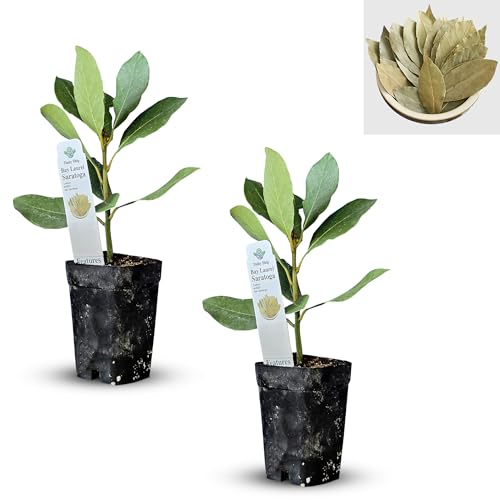
The Saratoga variety is noted for longer, narrower leaves with milder flavor, making it particularly suitable for refined culinary use and container growth. It’s recommended for potting and smaller spaces and offers the classic bay leaf aroma without the more pronounced flavor of standard Bay Laurel. The plant can grow in zones 8–10 outdoors and in containers elsewhere with winter protection.
Best for: indoor growing or small-space culinary gardens. Better for: those who prefer a milder flavor and a compact footprint. Caution: leaf size differences may affect flavor intensity when substituting in recipes.
Bay Leaf Tree Live Plant, 1 Year Old Sweet Bay Laurel

This 1-year-old sweet bay laurel tree is well-rooted and ready for planting, suitable for both indoor and outdoor settings. It supports herb garden layouts, landscapes, or containers. The tree’s growth is described as adaptable to full sun and well-drained soil, making it a versatile choice for buyers who want a dynamic bay leaf tree with culinary value.
Best for: buyers seeking an early-year starter that can adapt to various spaces. Better for: those who want a fast transition from pot to garden with straightforward care. Caution: keep in mind eventual size and pruning requirements for container growth.
Bay Laurel Tree Live, 8-10″ Tall

This live Bay Laurel tree reaches 8-10 inches in height and is described as hardy in Zones 8–11. It can be grown indoors or outdoors, with pruning to shape. Mature size in the ground can reach 10–20 feet, with container growth often limited to 4–8 feet. Best for buyers who want a compact, early-stage bay leaf tree that can be integrated into indoor herb spaces or small outdoor plantings.
Best for: those seeking a flexible starter that can move between indoors and outdoors. Better for: small-space setups or container gardening. Caution: plan for eventual pruning as the tree grows to prevent overstress in limited spaces.
Bay Leaf Laurel Tree Live Plant, 8-10″ Sweet Bay Laurel

This 8-10 inch starter is marketed for indoor or outdoor growth and emphasizes easy maintenance in containers, raised beds, or sunny windowsills. It is described as well-rooted and suitable for culinary herb use, with pruning to maintain a preferred shape or small-tree size. Best for: buyers who want a ready-to-plant starter for flexible placement in kitchens or patios.
Best for: easy culinary herb production and decorative greenery in a compact footprint. Better for: planners who want a pre-rooted, manageable plant without larger landscaping commitments. Caution: ensure adequate sun and drainage for container growth.
Buying Guide
Key considerations when choosing a bay leaf laurel tree:
- Climate and hardiness: Most bay laurels thrive in USDA Zones 8–11 outdoors. If you’re in cooler zones, consider containers that can be brought indoors for winter.
- Space and growth habit: Ground-planted standards grow larger and are better for harvests and hedges. Compact Saratoga and container-friendly plants suit small spaces.
- Indoor vs outdoor use: Indoor setups require bright light and careful pruning to prevent legginess. Outdoor setups benefit from sun and well-drained soil.
- Flavor and leaf size: Some varieties have milder leaves (Saratoga) suitable for refined cooking, while standard types offer stronger flavor.
- Maintenance needs: Pruning helps control height and shape in containers or small yards. Plan for eventual mature size if grown in the ground.
- Durability and care: Bay laurels prefer well-drained soil, consistent moisture, and protection from harsh winter winds when cultivated in containers.
Frequently Asked Questions
- What is the best bay leaf plant for containers? – Saratoga and other compact bay laurel varieties are often better for pots due to slower, manageable growth and smaller leaves.
- Can bay laurel trees grow indoors? – Yes, with sufficient sunlight, proper drainage, and regular pruning, bay laurels can thrive indoors or on bright windowsills.
- How fast do bay leaves grow? – Growth rate depends on climate and conditions; outdoor ground plantings typically grow faster and larger than container plants.
- Are bay laurel leaves edible fresh? – Yes, bay leaves are edible fresh or dried, commonly used to flavor soups, stews, and sauces. Remove leaves before serving.
- What is the ideal planting location? – Full sun with well-draining soil is ideal. In containers, ensure good drainage and standard-sized pots to accommodate eventual growth.
- Should I prune bay laurels? – Pruning helps maintain shape, size, and productivity, especially for container plants or hedges.