Best Semolina Bread Flour: Top 5 Semolina Flours for Home Bakers
In this guide
The best semolina bread flours deliver a crisp crust, chewy crumb, and authentic Italian style at home. This guide highlights five top semolina flours that are well-suited for bread, pasta, and pizza. Each product is evaluated for texture, protein level, and versatility, helping you pick the right one for your baking goals. Ideal buyers include home bakers seeking strong doughs, pasta makers wanting authentic bite, and cooks aiming for a bright yellow crust. The table below summarizes key picks at a glance.
| Product | Best For | Notes |
|---|---|---|
| King Arthur Premium Semolina Flour (Coarse Ground) | Bread, Pizza, Pasta | US-grown durum wheat; high protein; earthy sweetness |
| POLSELLI Italian Semola Flour, Fine Ground | Fine crusts, Elastic dough | Rimacinata grind; unbleached, non-GMO |
| POLSELLI Semola Flour, 1 kg | Crusty loaves, Pizza | Coarse texture with high protein; blends well |
| Spicy World Semolina Flour, Fine Ground | Pizza, Pasta | USA grown; smooth texture; versatile |
| King Arthur Premium Semolina Flour Pack of 2 | All-around baking | Two per-pack; same benefits as single |
King Arthur Premium Semolina Flour: Coarse Ground

Best for: bread and pasta doughs requiring strength and structure. This coarse semolina flour uses 100% USA-grown durum wheat to deliver a nutty sweetness and a pale yellow color, with high protein to support elastic doughs. Choose this for pizza crusts with bite and bread loaves that hold their shape well. Limitation: coarse grind can be less ideal for ultra-fine pastry applications.
POLSELLI Italian Semola Flour, Fine Ground

Best for: delicate doughs and pizza with a crisp crust. This rimacinata (double-ground) durum flour has a soft, fine texture and a vivid yellow tint, with elastic gluten for doughs that hold shape. It also works to prevent sticking when used as a surface dusting. Limitation: fine texture may absorb more moisture and require careful hydration management.
POLSELLI Semola Flour, 1 kg

Best for: crusty bread and pizza with a robust bite. This durum-based semola flour delivers texture that bakes into a resilient crust and tasty crumb. It doubles as a versatile pasta flour when used in small amounts. Caution: some bakers find it yields a slightly stronger gluten network; adjust hydration accordingly.
Spicy World Semolina Flour 3 LB
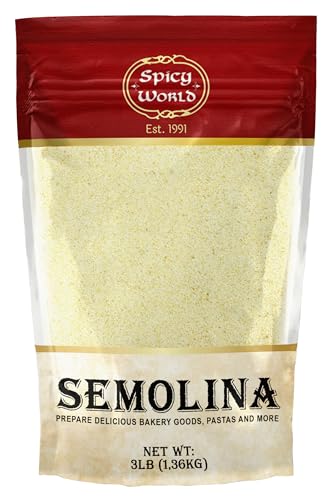
Best for: a versatile base for pizza, pasta, and bread. This USA-grown semolina is fine and smooth, offering a crisp finish when used in pizza dough and the smooth knead needed for fresh pasta. Limitation: as a fine grind, it may require slightly more precise hydration to avoid overly dense doughs.
King Arthur Premium Semolina Flour Pack of 2

Best for: households seeking ongoing versatility for pizza, bread, and pasta. This two-pack maintains the same high-protein, coarse-ground semolina properties as the single-pack version, giving bakers a reliable supply. Caution: two-pack may be heavier and require more storage space.
Buying Guide
What texture should you look for? Semolina flour ranges from coarse (great for bread and rustic loaves) to fine (excellent for crisp crusts and smooth pasta dough). High protein content supports strong, elastic doughs that hold shape during rising and baking.
Which flour suits doughs for bread versus pasta? For bread, prefer a coarser grind and high protein to help structure. For pasta, a strong gluten network and fine or rimacinata grind yields smooth dough that becomes firm yet tender when cooked.
How does grind size affect hydration? Coarser flours usually require slightly more moisture. Fine-ground semolina can absorb less water, leading to a softer dough if hydration isn’t adjusted. Always measure water or liquids carefully and mix gradually.
Is all semolina equal in quality? Not necessarily. Look for durum wheat origin (preferably USA-grown for some brands), no additives, and a grind that matches your baking goals. Unbleached and non-GMO options may appeal to health-conscious cooks.
Storage and shelf life considerations? Store in a cool, dry place in an airtight container. Semolina flour can take on aromas; keep it sealed away from strong-smelling foods. A properly stored bag maintains flavor and texture for months.
FAQs
- What is semola rimacinata? – It is double-ground durum semolina with a very fine texture, ideal for smooth pasta dough and crusty breads.
- Can semolina be used for pizza dough? – Yes, semolina flour improves dough strength and helps achieve a crisp, golden crust.
- Is all semolina gluten-free? – No. Semolina contains gluten; those avoiding gluten should not use semolina flour.
- Which semolina is best for bread? – A coarse-ground semolina with high protein typically yields the strongest, most elastic dough for bread.
- How should I hydrate semolina dough? – Begin with recommended water amounts and adjust gradually; finer flours may need less water than coarser, higher-protein varieties.
- Is there a difference between U.S.-grown and Italian durum semolina? – U.S.-grown durum can offer consistent performance in home kitchens, while Italian semolina emphasizes traditional flavor profiles; both can produce excellent bread and pasta.